
Conditions
Joint pain
Reviewed by Dr Voula Roumel, Chiropractor , registered since 1987, AHPRA CHI0000942872
Last updated
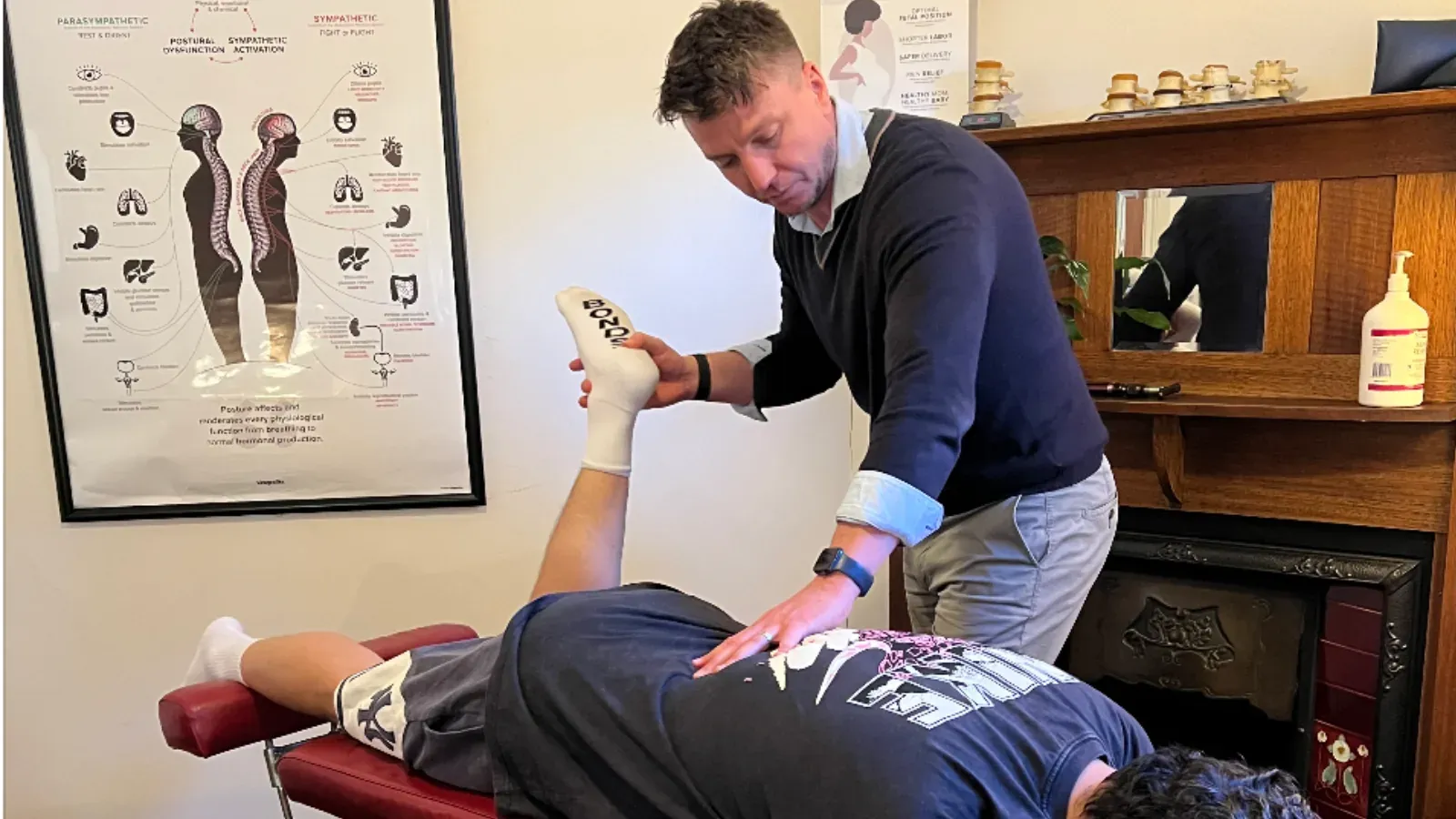
Joint pain is a symptom rather than a diagnosis, and the useful question is always the same: is the problem the joint itself, or what is loading it? A knee that hurts because the hip above it has stopped rotating properly needs something different from a knee that has been injured directly.
That is why the assessment looks above and below the joint that hurts, not only at the site of the pain. Where a joint stops moving well, the muscles, tendons and ligaments around it take on extra work, and neighbouring joints compensate, which is how one restriction becomes several sore areas.
What brings people in
- Stiffness after sitting, or first thing in the morning
- A joint that flares with a particular activity and settles with rest
- Pain in several joints at once, worth assessing properly, because the pattern matters
- Grinding, catching or giving way
- Movement you have quietly stopped doing because of how it feels
What the assessment covers
- A history, when it started, what provokes it, what you have already tried, and what your day physically demands
- Range-of-motion testing of the joint and the ones either side of it
- Palpation and functional movement testing, how you actually load the area
- An orthopaedic and neurological screen where the symptoms warrant it
- A view of the whole chain, because the sore joint is often not the source
- An explanation of what was found, before any treatment
What treatment involves
- Chiropractic adjustment or mobilisation of the restricted joint, chosen to suit the joint and the presentation
- Massage and soft tissue therapy for the muscular load around it
- Dry needling, where trigger points are involved
- Rehabilitation exercises, graded strength work so the muscles take more of the load
- Shockwave therapy for some longstanding tendon presentations
- Practical load advice, what to change this week, not a generic list
Which joints
Most regions are covered in more detail on their own page: knee, hip, shoulder, elbow, wrist and hand, jaw and the joints of the spine, through lower back and neck.
Where the pain is inflammatory rather than mechanical, arthritis covers how that changes the approach.
When it points somewhere else
Several joints involved at once, joints that are hot and visibly swollen, symptoms alongside fever or unexplained weight loss, or a joint that gave way after a significant injury. All of these are reasons to be assessed medically as well. If that is what the findings suggest, you will be told and referred rather than treated around it.
Related
Fees and every item code are on the fees page, and what to expect on a first visit covers how the appointment runs.
Frequently asked questions
Do I need a referral to be seen for joint pain?
No. Chiropractic is a primary contact profession, so you can book directly. A referral only comes into it where a third party is paying, WorkSafe, the TAC or DVA, or where your GP has put you on a chronic disease management plan and Medicare is contributing. If either applies, get the paperwork in place before the appointment rather than after.
Which joint should I book about if several hurt?
Book about the one that bothers you most and mention the rest at the appointment. Multiple joints is itself useful information. It changes what the assessment looks for and can point toward something systemic rather than several separate mechanical problems. You do not need to work out the pattern before you come; that is what the history is for.
Why would my knee pain be coming from my hip?
Because joints work in a chain. If the hip is not moving through its full range, the knee and the ankle absorb what it is not doing, and the joint that ends up sore is often not the one that started it. This is why the assessment looks above and below the painful joint rather than only at the site of the symptom, treating the knee alone tends to produce relief that does not hold.
Is cracking a joint bad for it?
The sound during an adjustment is gas moving within the joint fluid, not bone on bone, and it is not itself harmful. It is also not the point. The aim is restoring movement to a restricted joint, and plenty of useful technique makes no sound at all. If the noise bothers you, say so and lower-force methods can be used instead.
How many appointments will it take?
It depends on which joint, how long it has been going on, and what is driving it, so the honest answer only exists after the assessment. Your chiropractor will tell you what they expect at the first appointment and revise it as they see how you respond, rather than asking you to commit to a block of visits up front.
Ready to book?
Appointments Monday to Saturday, with confirmation by SMS.