
Conditions
Jaw and TMJ pain
Reviewed by Dr Voula Roumel, Chiropractor , registered since 1987, AHPRA CHI0000942872
Last updated
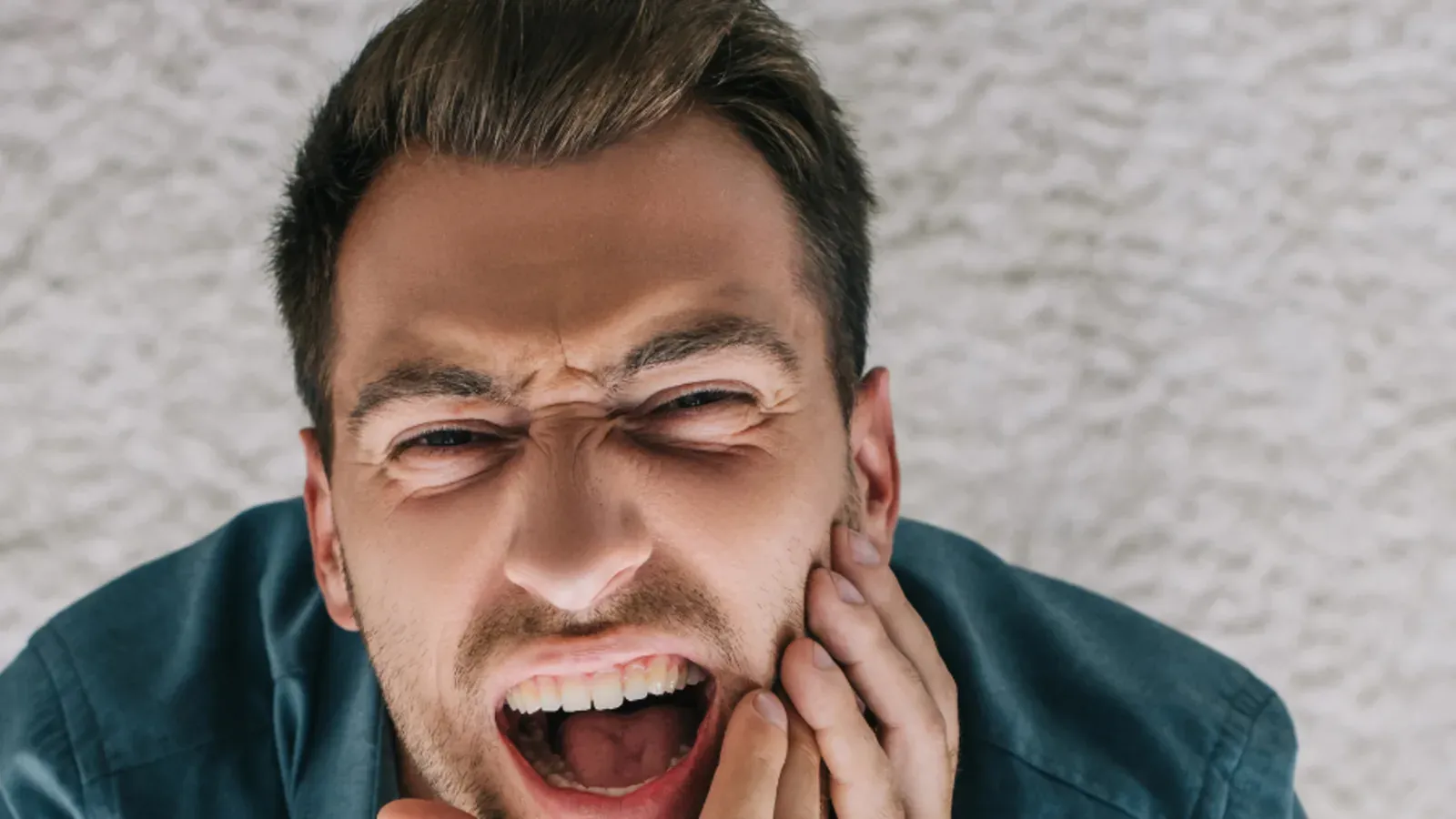
The temporomandibular joint is the hinge connecting your jaw to your skull, sitting just in front of each ear. You have two and they work as a pair, moving every time you talk, chew or yawn.
TMJ disorder, often written TMD, describes pain or dysfunction in that joint and the muscles that move it. It commonly turns up alongside neck stiffness and headaches around the temple, which is why the assessment looks at all three rather than the jaw alone.
What it usually feels like
- Aching or sharp pain at the jaw, in front of the ear, or through the temple
- Clicking, popping or grating when opening or closing
- Tightness or fatigue in the jaw, often worst first thing in the morning
- Difficulty opening fully, or a jaw that catches or locks
- Headaches at the temple, frequently with neck and shoulder tension
- Tooth wear, or waking with a sore jaw, both suggesting night-time grinding
What contributes to it
Rarely one thing:
- Clenching and grinding, often at night and usually unnoticed by the person doing it
- Muscular overload through the jaw, temple and neck musculature
- Upper neck restriction, which shares muscular and neurological connections with the jaw
- Posture, a sustained forward head position changes the resting position of the jaw
- Stress, which is not a diagnosis but is genuinely a common driver of the clenching that produces this presentation
- Dental factors, a changed bite, dental work, or a missing tooth altering how the jaw closes
Chiropractor or dentist?
Both, often, and the honest answer is that which comes first depends on your presentation.
A dentist first where the problem is dental: tooth pain, a bite that has changed, a broken filling or crown, or where a splint for grinding is what you need.
A chiropractic assessment is more useful where the jaw pain travels with neck stiffness, headaches at the temple, or muscular tightness through the jaw and neck, the musculoskeletal half of the picture.
The chiropractors here will tell you plainly if a dentist is the better first call, rather than treating around it.
What the assessment covers
- A full history, when it started, what makes it worse, whether you wake with it, any dental work or grinding, and what your stress and sleep look like
- Jaw movement, how far it opens, whether it deviates to one side, where it clicks or catches
- The muscles that move the jaw, including where they are tender and where they refer to
- The upper neck and upper back, because restriction there frequently contributes
- An explanation of what was found, before any treatment
What treatment involves
- Chiropractic adjustment of the upper neck and upper back, where restriction is contributing
- Massage therapy through the jaw, temple and neck musculature. Some of these muscles are most accessible from inside the cheek, that is explained before it happens, done with gloved hands, and you can decline
- Dry needling, where trigger points in the jaw or neck musculature are part of the picture
- Posture correction, particularly where a forward head position at a desk is loading the jaw
- Rehabilitation exercises, jaw control and deep neck work
Between appointments
The habits matter more than usual here. Awareness of daytime clenching, what you chew, how you sleep, and what the neck is doing across a working day all feed this presentation directly.
If grinding is a significant part of it, a dental splint may be worth having alongside. The chiropractors will say so rather than work around it.
Where specialist or dental care is the next step, you will get a detailed letter outlining the findings and recommendations, including the practitioner we believe is best suited to your needs.
Frequently asked questions
What is the TMJ?
The temporomandibular joint, the hinge connecting your jaw to your skull, just in front of each ear. You have two, they work as a pair, and they move together every time you talk, chew or yawn. TMJ disorder, sometimes written TMD, describes pain or dysfunction in that joint and the muscles that move it.
Why does my jaw click?
Clicking usually means the small disc inside the joint is not moving smoothly with the jaw as it opens. On its own, a painless click is very common and often not clinically significant. Clicking that comes with pain, locking, or a change in how far you can open is worth having assessed.
Should I see a chiropractor or a dentist?
A dentist first if the problem is dental, tooth pain, a bite that has changed, a broken filling or crown, or if you need a splint made for grinding. A chiropractic assessment is more useful where the jaw pain travels with neck stiffness, headaches around the temple, or muscular tightness through the jaw and neck. Many people need both, and the chiropractors here will say plainly which is the better first call for you.
Can neck problems cause jaw pain?
The upper neck and the jaw share muscular and neurological connections, and the two commonly present together, jaw pain alongside neck stiffness, or headaches at the temple that track with both. That is why the assessment covers the neck and upper back rather than the jaw in isolation.
Is treatment done inside the mouth?
Sometimes, and only with your agreement and gloved hands, some of the muscles that move the jaw are most accessible from inside the cheek. It is explained before it happens and you can decline; there is plenty that can be done externally through the jaw, temple and neck musculature.
Ready to book?
Appointments Monday to Saturday, with confirmation by SMS.