
Conditions
Arthritis
Reviewed by Dr Voula Roumel, Chiropractor , registered since 1987, AHPRA CHI0000942872
Last updated
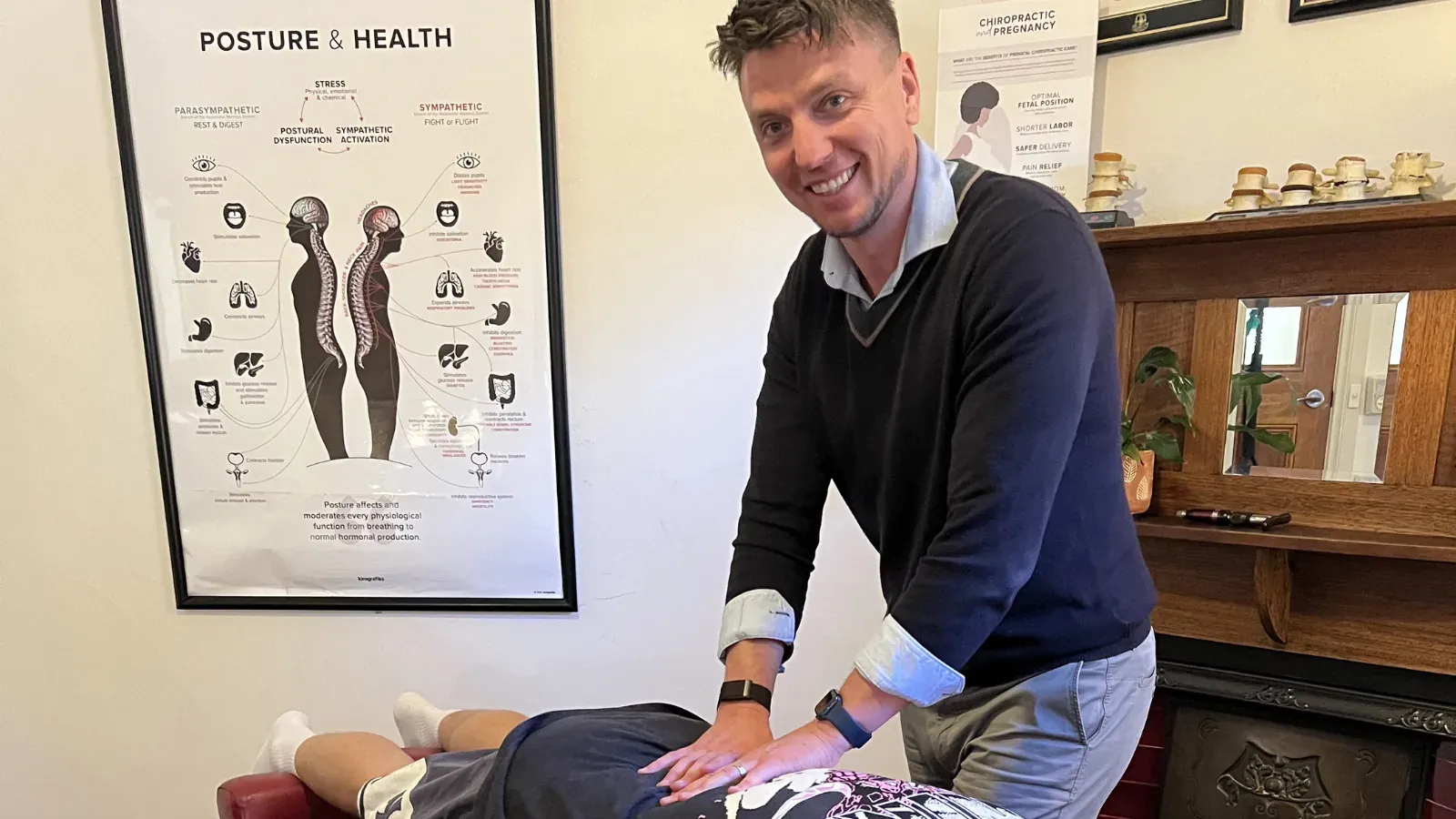
Arthritis covers a group of conditions with one thing in common: joint pain, stiffness and lost movement. The type matters more than the label, because osteoarthritis and the inflammatory arthritides behave differently and are handled differently here.
Chiropractic care does not treat the disease and will not reverse joint changes. What it is used for is the musculoskeletal consequence of living with one, the stiffness, the restricted range, and the muscular load that builds around a joint that has stopped moving properly. That runs alongside the medical management of the condition, never instead of it.
The types, and why the difference matters
- Osteoarthritis, the wear-related form, most often in the spine, hips, knees and hands. The commonest presentation seen here.
- Rheumatoid arthritis, an autoimmune condition affecting the joint lining. Medically managed; the musculoskeletal symptoms are what care here addresses.
- Psoriatic arthritis, joint inflammation associated with psoriasis.
- Ankylosing spondylitis, primarily spinal, with progressive stiffening.
Inflammatory forms call for lower-force technique, and sometimes for leaving a region alone during a flare. This is the reason the assessment asks for your diagnosis, your medications and who is managing you.
What the assessment covers
- A history, which joints, how long, what a bad day looks like, and what your medical management currently involves
- Joint-by-joint movement testing, and how the surrounding muscles are coping
- How you move overall, because a stiff hip changes what the knee and the lower back have to do
- Any imaging or specialist reports you already have. Bring them
- An explanation of what was found, and an honest account of what care here can and cannot contribute
What treatment involves
- Mobilisation, slow, graded movement to work into stiff joints without loading them hard
- Lower-force adjusting where it is appropriate to the joint and the day
- Massage and soft tissue therapy for the muscular tension that accumulates around a guarded joint
- Rehabilitation exercises, strengthening the muscles that support the joint, so more of the load goes through muscle
- Practical advice on movement, pacing and load through the week
Technique is matched to how the joint is presenting. If it is flared, the approach is lighter; on a better day it can be more direct.
Movement, and why it is part of the plan
Joints that stay stiff tend to become harder to move, and the muscles around them weaken, which puts more load back through the joint. Keeping a joint moving within a comfortable range, and keeping the surrounding muscle strong enough to share the work, is the practical target of most of what happens here. It is not a claim about changing the underlying condition, it is about what you can comfortably do in a day.
Related
Where a single joint is the problem, there is more detail on hip pain, knee pain, shoulder pain and lower back pain. Joint pain covers the multi-joint picture, and care for seniors covers lower-force care more generally. Fees and every item code are on the fees page.
Frequently asked questions
Can a chiropractor treat arthritis?
Chiropractic care does not treat the disease process, and nothing here will reverse joint changes that have already happened. What it is used for is the musculoskeletal side of living with arthritis, stiffness, restricted movement, and the muscular load that builds up around a joint that is not moving well. That is a real and worthwhile target, and it sits alongside the medical management of the condition rather than replacing it.
Is adjustment safe if I have inflammatory arthritis?
It depends on the type, the joints involved and how active the disease is, and that is exactly why the assessment asks. Inflammatory conditions, rheumatoid arthritis, psoriatic arthritis, ankylosing spondylitis. Call for lower-force technique and, in some cases, for avoiding certain regions entirely. Tell your chiropractor your diagnosis, your medications and when you last saw your rheumatologist, and the approach is built around that.
Will it hurt?
Technique is chosen for the joint and for the day. Arthritic joints are generally worked with mobilisation and lower-force methods rather than the more direct techniques used on a healthy spine, and if a joint is flared the approach changes accordingly. Say so during the appointment, what is comfortable varies week to week with this condition, and the plan is meant to move with it.
Do I still need my GP or rheumatologist?
Yes. Arthritis is medically managed, and chiropractic care does not substitute for that at any point. Diagnosis, medication and monitoring stay with your doctor. What happens here runs alongside, and if the assessment finds something that belongs with them, you will be told.
How often would I need to come?
That is set after the assessment, based on which joints are involved and how you respond, rather than by a schedule decided in advance. Some people come through a flare and then space appointments out considerably. Your chiropractor will tell you what they expect and revise it as things change.
Ready to book?
Appointments Monday to Saturday, with confirmation by SMS.