
Conditions
Achilles pain
Reviewed by Dr Voula Roumel, Chiropractor , registered since 1987, AHPRA CHI0000942872
Last updated
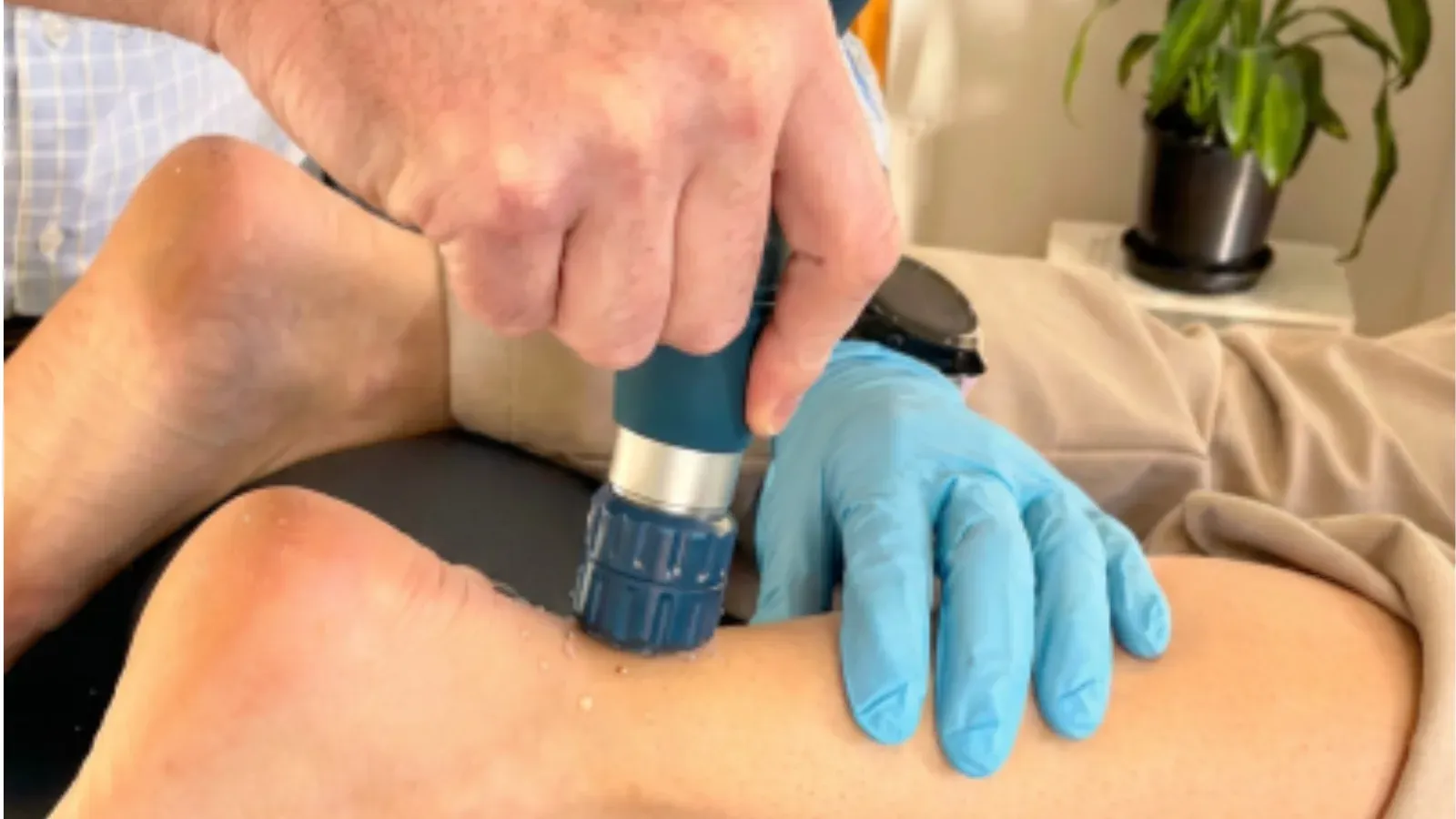
The Achilles tendon connects the calf muscles to the heel bone, and it carries very high load with every step. When it is irritated the pattern is recognisable: pain and stiffness at the back of the ankle, worst first thing in the morning, easing with movement and returning after activity.
Achilles tendinopathy builds gradually, which is why it is usually well established before anyone does anything about it. It is also why rest alone tends to disappoint, the tendon settles, then complains again as soon as it is loaded, because nothing has changed about its capacity.
What it looks like
- Morning stiffness in the tendon, easing over the first ten or fifteen minutes
- Pain after activity more than during it, particularly the day after
- Thickening or swelling in the tendon, a few centimetres above the heel
- Discomfort on stairs, hills, or pushing off
- Tenderness when you squeeze the tendon between finger and thumb
What usually sits behind it
Rarely one thing. Most often a change in load, more running, a return after a break, new hills or speed work, a job that has put you on your feet more, landing on a tendon that was not prepared for it. Contributing factors commonly include tight or weak calves, limited ankle movement, how the foot loads, and a change of footwear.
What the assessment covers
- A history, when it started, what changed in the weeks before, and what the pain does across a day
- Testing the tendon itself, and where along it the symptoms sit
- Calf strength and endurance, which is usually where the deficit is
- Ankle, knee, hip and pelvis movement, because what happens above the ankle changes what the tendon absorbs
- How you walk and run, where that is relevant to the presentation
- An explanation of what was found, before any treatment
What treatment involves
- Rehabilitation exercises, progressive calf loading is the core of it, and the part that changes the outcome
- Massage and soft tissue therapy through the calf and surrounding tissue
- Dry needling, where trigger points are contributing
- Chiropractic adjustment or mobilisation where the foot, ankle, knee, hip or pelvis is restricted
- Shockwave therapy for longstanding tendon presentations that have not responded to loading alone
- Load management, what to reduce this week, and how to build it back
Get it looked at urgently if
There was a sudden, severe pain during activity, often described as feeling struck at the back of the ankle, and you cannot push off properly. That pattern needs immediate medical assessment rather than an appointment here.
Related
Plantar fasciitis and heel pain covers the underside of the heel, which is a different problem with a similar morning pattern. Sports chiropractic covers running load more generally, and knee pain the joint above. Fees and every item code are on the fees page.
Frequently asked questions
Why is my Achilles worst first thing in the morning?
That morning stiffness, easing after ten or fifteen minutes of moving, is one of the more characteristic features of tendinopathy. The tendon stiffens during a long period of rest and takes a little loading to become comfortable again. It is a useful sign for the assessment rather than a worrying one, and how long it takes to ease is a practical way of tracking whether things are improving.
Should I rest it until the pain goes?
Rest settles the symptoms and tends not to fix the problem, because a tendon needs load to adapt. What generally works is reducing the specific aggravating load, usually running volume, hills or speed, while keeping the tendon working at a level it tolerates, then building back progressively. Complete rest often means the pain returns as soon as you resume.
How long does it take?
Achilles tendinopathy is slow. Three to six months is a realistic range for a well-established case, and longer where it has been going on for a year before anything was done. The rehabilitation programme is the part that determines the timeline, which is why it gets more attention here than the hands-on treatment does.
What if it is not the tendon?
Sudden severe pain during activity, a sensation of being struck or kicked at the back of the ankle, or an inability to push off properly needs urgent medical assessment rather than an appointment here. That pattern can indicate a rupture. Pain at the very back of the heel bone, or swelling that does not fit the usual pattern, is also assessed on its own terms rather than assumed to be tendinopathy.
Do my shoes matter?
They can. A change of footwear, a drop in heel height, or a new pair with different support frequently shows up in the history just before symptoms started. It is worth mentioning what you were wearing and what changed, because it is one of the easier things to adjust while the rest of the plan does its work.
Ready to book?
Appointments Monday to Saturday, with confirmation by SMS.