
Services
Ongoing and maintenance care
Reviewed by Dr Voula Roumel, Chiropractor , registered since 1987, AHPRA CHI0000942872
Last updated
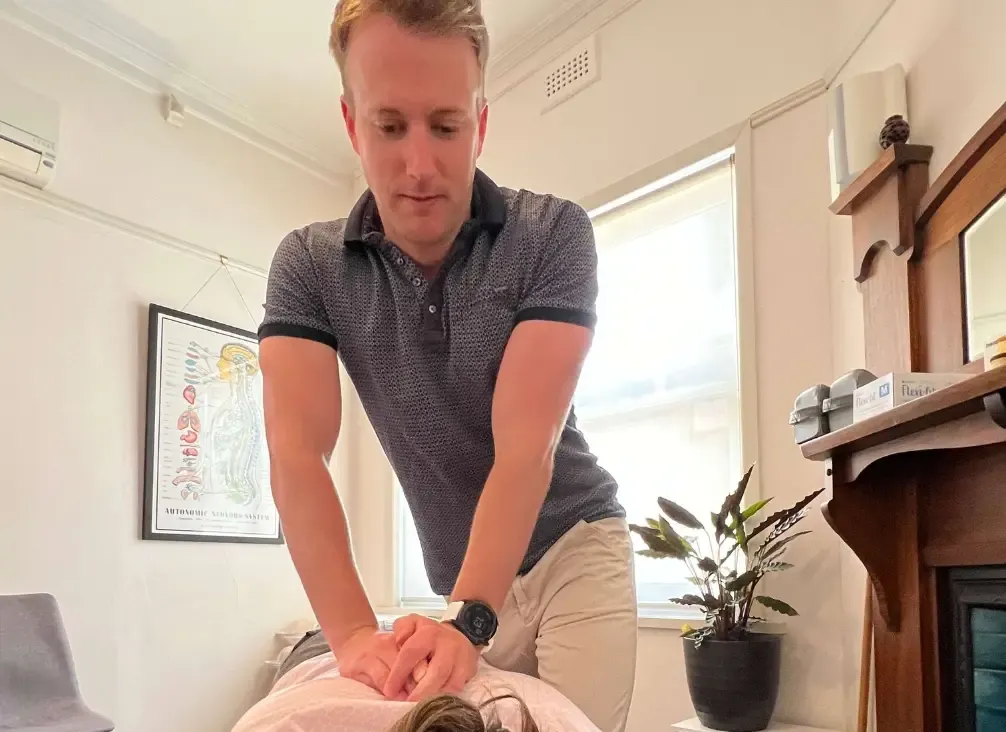
Ongoing care, sometimes called maintenance or wellness care, is continuing to be seen periodically after the problem you came in with has settled. Some people choose it, most do not need it, and this page is meant to help you work out which of those you are.
Nobody here is required to keep coming. Finishing care when the presenting problem resolves is a normal and good outcome. Ongoing care is a choice, and it should be one you make with the chiropractor you see, on the evidence of how your own body behaves between appointments.
Who tends to choose it
- People with a longstanding or recurring problem, a lower back that has gone several times, a neck that flares under stress
- People whose work loads them consistently, trades, driving, long hours at a desk, or physically repetitive jobs
- People training at volume who want to stay on top of niggles rather than stop and start
- People who have found, over time, that longer gaps reliably bring symptoms back
Who does not need it
If you came in with a specific problem, it settled, and it has stayed settled, that is the end of the episode. Booking again when something changes is a perfectly sensible way to use a clinic, and it is what most people do.
What an appointment involves
A maintenance appointment is shorter than a first consultation. It covers:
- How you have been since the last visit, and anything new
- Movement testing through the areas that have historically given trouble
- Chiropractic adjustment or mobilisation where the assessment finds restriction
- Massage or soft tissue work where the muscular load warrants it
- An update to your exercises, usually the part that does most of the work between appointments
Anything genuinely new is assessed on its own terms rather than absorbed into a routine visit.
How often, honestly
There is no fixed schedule here, and you will not be asked to commit to a block of appointments in advance. Intervals are set with your chiropractor and are expected to stretch out over time, if the gaps can keep widening without symptoms returning, that is the direction to move in, and saying so is part of the job.
What this page will not claim
Ongoing chiropractic care is not a general health intervention, and there is no good basis for telling you it prevents illness, injury or the passage of time. What it is reasonably used for is managing a recurring musculoskeletal problem and keeping movement and strength up in a body with a history of complaining about one. Whether that is worth it for you is something a few months of your own experience will answer better than this page can.
Related
If you have not been seen here before, start with what to expect on your first visit. Chiropractic care covers what treatment involves more broadly, and rehabilitation exercises covers the part you do at home. Fees and every item code are on the fees page.
Frequently asked questions
Do I have to keep coming once the pain has gone?
No. Plenty of people finish their care when the problem they came in with has settled, and that is a perfectly good outcome. Ongoing care is a choice some people make because it suits how their body and their week behave, not a course you are enrolled in. If you would rather stop and come back if something flares, say so, and that is the plan.
How often is reasonable?
It varies, and it should be decided with the chiropractor you see rather than set by a schedule in advance. People who choose ongoing care are commonly seen somewhere between fortnightly and every couple of months, and the interval usually stretches out over time rather than staying fixed. If the gaps can keep widening without symptoms returning, that is the direction to go.
Does ongoing care prevent injuries?
It is not honest to promise that, and this page will not. What ongoing care is used for is managing a recurring or longstanding problem, and keeping movement and strength up in a body that has a history of complaining. Whether that means fewer flare-ups is individual, and your own experience over a few months is better evidence than anything a website can tell you.
What happens at a maintenance appointment?
It is shorter than an initial consultation. Your chiropractor checks how you have been since the last visit, tests movement in the areas that have given trouble, treats what needs it, and updates whatever exercises you are doing. If something new has come up, it gets assessed properly rather than folded into a routine visit.
Is this different from my first appointment?
Yes. A first appointment is a full assessment, history, physical examination, orthopaedic and neurological screening, and an explanation of the findings before anything else happens. Ongoing care assumes that has already been done. If you have not been assessed here before, you start with a first appointment regardless of what you are after.
Ready to book?
Appointments Monday to Saturday, with confirmation by SMS.