
Services
Children's posture
Reviewed by Dr Voula Roumel, Chiropractor , registered since 1987, AHPRA CHI0000942872
Last updated
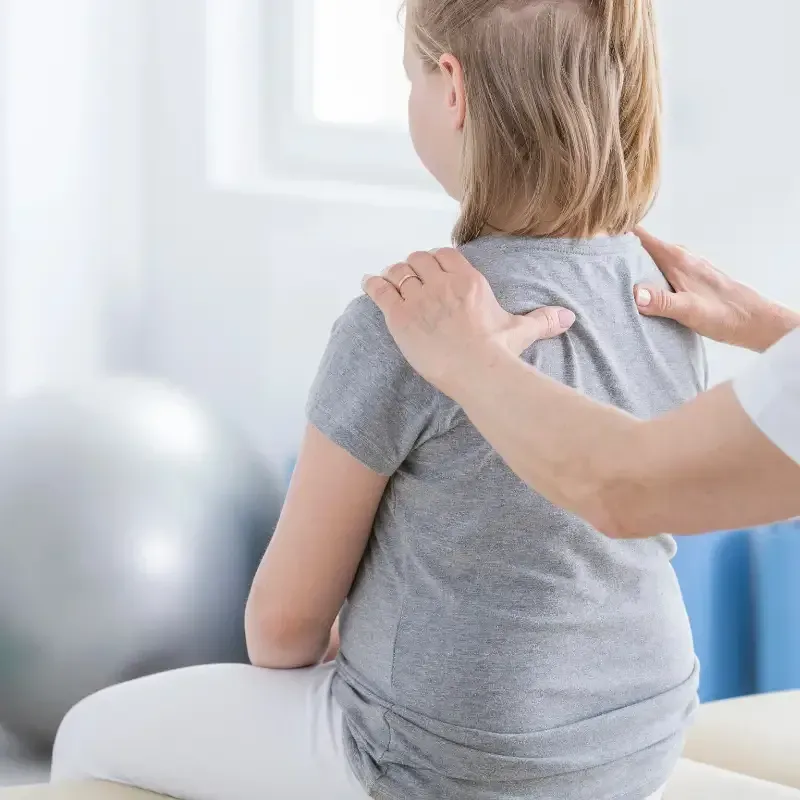
School bags, devices and growth spurts all load a young spine differently to an adult one, and parents notice.
Most of what gets noticed is normal. Children slouch, and posture that varies through a day is healthier than posture held rigidly. What is worth assessing is asymmetry that persists, or a change developing over months rather than a position seen on the sofa.
What is worth having looked at
- Persistent asymmetry, one shoulder consistently higher, a shoulder blade more prominent on one side, a head sitting off centre
- An uneven waistline, or clothing that consistently hangs unevenly
- A rib hump visible when bending forward, which warrants scoliosis assessment, particularly during a growth spurt
- Neck or back discomfort that recurs, especially where it tracks with school terms
- A change a parent has noticed developing, which is often the most reliable signal there is
What actually helps
Mostly load and habit, not treatment:
The bag. Around 10 percent of body weight is a common guide, but how it is worn matters as much, both straps, sitting high on the back rather than slung low, heaviest items closest to the spine.
The desk and the device. A laptop on a dining table puts a child’s head down for hours. Raising a screen and using a separate keyboard changes the load more than any exercise will.
Movement frequency. The single most useful change, and the hardest to enforce. A young spine tolerates almost any position for a while and no position for hours.
Sleep and activity. Both do more for a growing musculoskeletal system than any intervention here.
What an appointment involves
- A full history, including growth, activity, school setup and what prompted the visit
- Postural and movement assessment, including the forward bend test
- Screening for scoliosis where indicated
- An explanation of what was found, which is frequently that nothing needs treating
- A parent in the room throughout
Growing pains
The typical pattern is both legs, in the evening or overnight, in a child who is otherwise well and moves normally the next day. That is common and generally benign.
A different picture warrants assessment: pain that is one-sided, present during the day, causing a limp, or coming with swelling, fever or unexplained weight loss. Those need a GP rather than a chiropractic appointment, and you will be told so.
Related
Paediatric chiropractic covers younger children and the technique used with them. Posture correction covers the adult version of the same conversation.
Frequently asked questions
How heavy should a school bag be?
A common guide is around 10 percent of the child's body weight, but how it is worn matters as much as what it weighs, both straps, sitting high on the back rather than slung low, and the heaviest items packed closest to the spine. A well-packed heavier bag is generally kinder than a badly worn light one.
Is my child's slouching a problem?
Usually not by itself. Children slouch, and posture that varies through a day is healthier than posture held rigidly. What is worth assessing is asymmetry that persists, one shoulder consistently higher, a head that sits off centre, or a change a parent has noticed developing over months rather than a position seen on the couch.
When should I be concerned about a curve?
Uneven shoulders, a shoulder blade sitting more prominently on one side, an uneven waistline, or a rib hump when they bend forward all warrant assessment, particularly during a growth spurt, when progression risk is highest. That is covered in more detail on the scoliosis page.
Do children need treatment for posture?
Frequently not. Most of what helps a young spine is load and habit, bag, desk, device height, screen time and how much they move, rather than hands-on treatment. Where restriction or discomfort is genuinely present it is addressed, but the honest answer for a lot of children is that nothing needs treating.
What about growing pains?
Typically both legs, in the evening or overnight, in a child who is otherwise well and who moves normally the next day. That pattern is common and generally benign. Pain that is one-sided, present during the day, causes a limp, or comes with swelling, fever or weight loss is a different picture and needs assessment.
Ready to book?
Appointments Monday to Saturday, with confirmation by SMS.