
Services
Specific chiropractic technique for disc injuries
Reviewed by Dr Voula Roumel, Chiropractor , registered since 1987, AHPRA CHI0000942872
Last updated
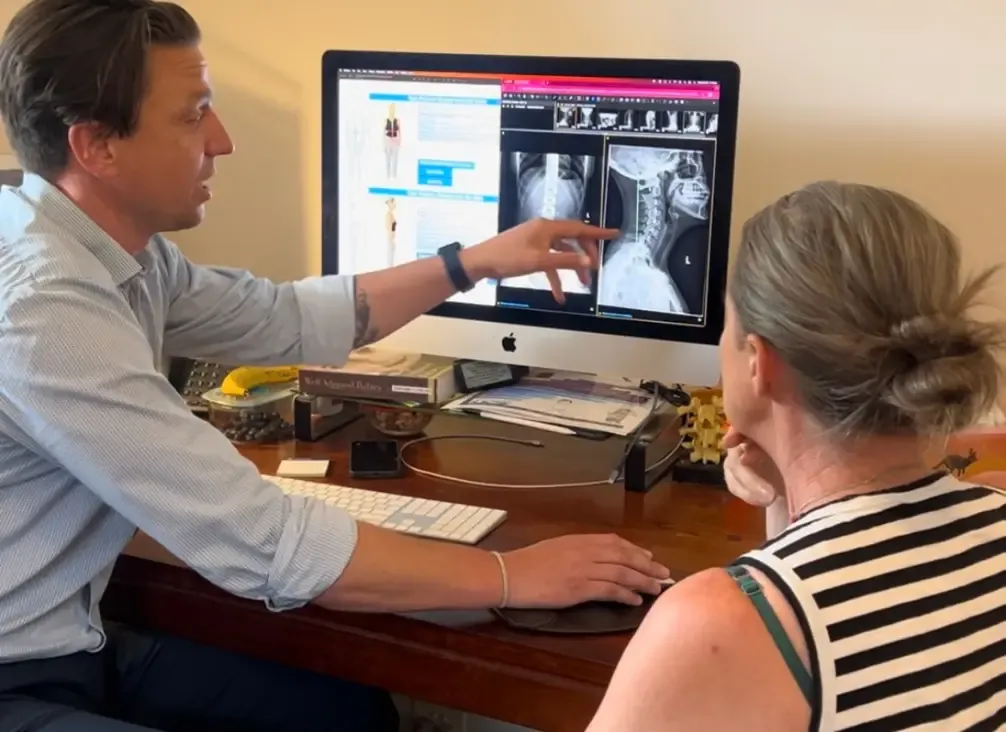
If you have searched for spinal decompression in Melbourne, you have probably seen clinics advertising a motorised table that applies traction on a preset program.
This clinic does not have one, and does not offer that. What the chiropractors here use for disc-related presentations is specific, hands-on chiropractic technique, chosen after an assessment. That is a genuinely different approach, and it is worth knowing which one you are booking.
What the technique involves
Specific technique means the chiropractor works on a particular segment rather than treating the whole region the same way. Which segment, in which direction, with how much force, and at what speed are all decided from the assessment and adjusted during the appointment itself, from what the chiropractor feels under their hands and from what you tell them as it happens.
That responsiveness is the reason it is used for disc presentations, which tend to be irritable and position-sensitive. A machine running a set program cannot change course mid-session. A chiropractor can, and does.
What your first appointment covers
Your initial consultation is about 30 minutes and covers:
- A full history, what happened, when, what makes it worse, what you have already tried, and anything relevant in your general health
- A physical assessment, posture, how you move, and muscle and joint testing
- An orthopaedic and neurological screen, which is where the chiropractor checks for anything that means chiropractic is not the right answer
- An explanation of the findings, in plain language, before anything else happens
- Treatment on the day, where it is clinically appropriate to proceed
You will not be asked to commit to a plan before you understand what the chiropractor thinks is going on.
The screening matters more than the technique
Disc presentations are the ones where knowing when not to treat counts. The chiropractors here screen for red flags at every appointment, that is what the neurological part of the assessment is for, and will decline to treat rather than proceed if something needs a different kind of care.
If that is what the assessment shows, you will get a detailed letter outlining the findings and recommendations, including the specialist we believe is best suited to your needs, so the next step is a clean handover rather than a dead end.
Fees
An initial consultation is $125 and a standard consultation $78. HICAPS is on site, so if you have private health cover you claim at the desk and pay only the gap. Quote item code 1002 to your fund and they will tell you what your policy pays, funds only discuss a policy with the member named on it, so checking cover is always a call you make rather than one the clinic can make for you.
Related
If you want the background on the injury itself rather than the technique used for it, the disc injury page covers what a bulging or herniated disc is and how the two differ.
Frequently asked questions
Do you have a spinal decompression table?
No. There is no decompression table, traction table or motorised decompression machine at this clinic. What the chiropractors here use for disc-related presentations is specific hands-on chiropractic technique, chosen after an assessment. If a decompression table is specifically what you are looking for, this is not the clinic that has one, and it is better to know that before you book.
So what actually happens at the appointment?
A first appointment runs through your history, a physical assessment covering posture, movement, muscle and joint testing, and an orthopaedic and neurological screen. The chiropractor explains what they found and what they think is going on, then discusses the options. Treatment is given on the day where it is clinically appropriate to proceed.
How is this different from a decompression table?
A decompression table applies traction through a machine on a preset program. Specific chiropractic technique is applied by hand, adjusted continuously to what the chiropractor feels and what you report during the appointment. They are different approaches to the same region of the body, and this clinic uses the second.
Will I need imaging first?
Not always. The chiropractor decides at the assessment whether imaging would change what they do. Where X-rays are needed, the clinic refers to bulk-billed providers wherever possible. If you already have scans or reports, bring them, they save repeating work.
What if a chiropractor is not the right person for this?
The chiropractors here screen for that before they treat, and they will say so. If specialist care is the next step, you will get a detailed letter setting out the findings and recommendations, including the specialist we believe is best suited to your needs, so the handover is a clean one.
Ready to book?
Appointments Monday to Saturday, with confirmation by SMS.